Engineered to international FEM, RMI, and EN safety codes. From automated SMT electronic component reels to multi-ton injection mould racking and automated retrieval infrastructures.
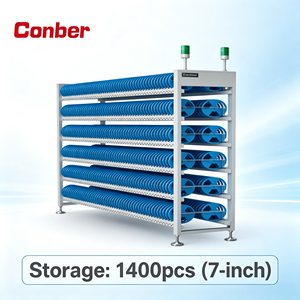
Specialized micro-intralogistics shelving designed for Surface Mount Technology (SMT) cleanroom operations, reducing kitting errors by 99.4% through dynamic optical cues and WMS handshake.
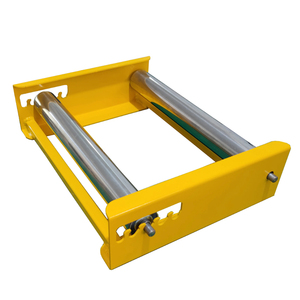
Hydraulically calibrated and mechanically locked drum de-reeling framework configured for infrastructure-grade high-voltage and optical fiber deployment with balanced rotational braking.
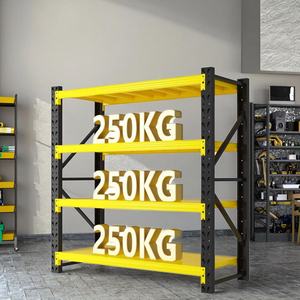
Industrial-grade modular shelving built for rapid assembly without bolting hardware. Features dual-rib beam geometry optimized for distributed workshop tooling and MRO spares.
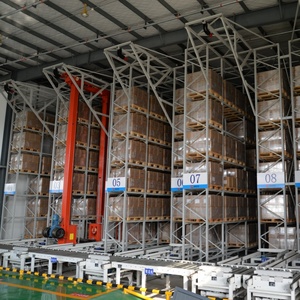
Ultra-rigid structural vertical racking matrices customized for automated stacker crane interfacing, pallet conveyors, and high-throughput autonomous retrieval environments.
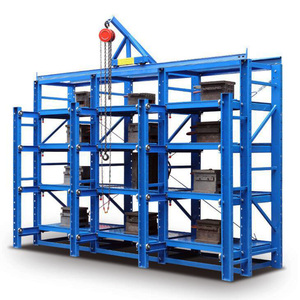
Heavy steel toolroom storage with roller-bearing slide decks, allowing bridge crane hoists to lower and extract heavy injection moulds and stamping dies with zero tip hazard.
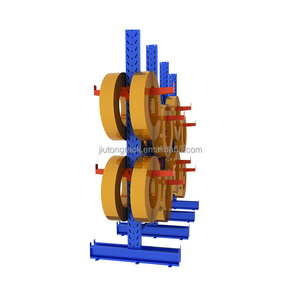
Tailored cantilever-profile cradle storage providing simultaneous high-density tiered organization and direct payout dispensing for electrical wire spools and industrial hose drums.
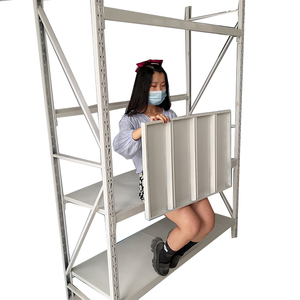
Engineered for mid-tier tooling storage, plastic extrusion dies, and machining fixtures. Delivers accessible manual handling backed by robust internal guide rollers and safety stops.
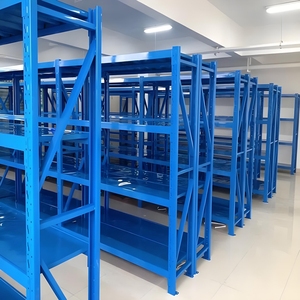
Dynamic post-pallet stacking frameworks equipped with heavy corrosion-barrier coatings for harsh humidity, cold-storage refrigeration, and flexible bulk staging logistics.
Why Tier-1 global 3PL operators, cold chains, and automotive manufacturers source structural warehouse racking from China's advanced cold-roll forming manufacturing corridors.
The global intralogistics supply chain has transitioned beyond rudimentary pallet stacking to sophisticated, seismically qualified storage infrastructures. As one of the world's most dense structural steel manufacturing centers, China's storage rack fabrication clusters—particularly throughout Jiangsu, Shandong, and Guangdong provinces—deliver an unmatched combination of raw steel procurement economies, precision roll-forming automation, and integrated surface finishing technology.
Procuring industrial racking from premier Chinese manufacturers offers significant advantages in total cost of ownership (TCO) and structural durability. Facilities operating automated continuous punching and rolling lines yield upright columns with cumulative pitch tolerances within ±0.5 mm across a 12-meter span. This high-precision manufacturing is critical for accommodating automated storage and retrieval systems (AS/RS), stacker cranes, and autonomous mobile robots (AMRs), where minor deflection can cause mechanical bottlenecks.
Structural validation adhering strictly to European FEM, American RMI, and Australasian AS standards.
| Racking Category | Primary Steel Spec | Yield Strength (fy) | Deflection Limit (L/d) | Certified Load Band | Regulatory Compliance |
|---|---|---|---|---|---|
| AS/RS High-Bay Racks | Q355B (EN S355JR Equiv.) | ≥ 355 N/mm² | 1:300 (Strict Elastic) | 1,000 – 2,500 kg / pallet | FEM 9.831 / EN 15512 |
| Selective Pallet Racks | Q235B / Cold-Rolled SPCC | ≥ 235 N/mm² | 1:200 (Standard) | 1,000 – 4,500 kg / level | RMI MH16.1 / AS 4084 |
| Heavy Mould Drawer Racks | Hot-Rolled Structural Channel | ≥ 235 – 355 N/mm² | 1:250 (Non-Yield) | 2,000 – 5,000 kg / drawer | ISO 9001 / CE Verified |
| Cantilever & Coil Systems | Structural I-Beam (IPE/HEA) | ≥ 355 N/mm² | 1:180 (Arm Deflection) | 500 – 3,000 kg / arm | BS EN 15629 |
| Boltless Industrial Shelving | Cold-Rolled Strip Steel | ≥ 215 N/mm² | 1:150 (Manual Pick) | 200 – 800 kg / shelf | GB/T 27924-2011 |
Modern structural warehouse systems are dynamic, load-bearing frameworks subject to dead weight, live inventory mass, asymmetrical seismic waves, and forklift impact forces. Certified Chinese manufacturers use advanced computer-aided design systems like ANSYS and RFEM to run dynamic finite element simulations for every project. These simulations evaluate node connection rigidity, beam-end connector moment-rotation curves, and baseplate anchor shear stresses.
For installations in active seismic zones (such as California, the Mediterranean Basin, Japan, and the Pacific Rim), beam-to-column connections are engineered with multi-tooth interlocking locking pins and heavy-gauge base isolation plates. This dissipates vibrational energy, prevents progressive structural collapse, and complies with Eurocode 8 and ASCE 7 seismic hazard maps.
Strategic technologies and market dynamics shaping enterprise warehouse investments for the next decade.
Traditional manual forklift warehouses are shifting toward tall automated storage (up to 40 meters) to cut footprint and labor costs. Racking now serves as structural building frameworks (Rack-Supported Buildings) that directly interface with high-speed autonomous shuttle carts, continuous vertical lifts, and fleet management software.
Driven by rapid SMT component miniaturization and rapid e-commerce kitting, procurement managers are investing in smart shelving with integrated electronics. IoT-enabled pick-to-light arrays, weight-sensing shelves, and dynamic multi-color LED indicators integrate with ERP systems to streamline rapid batch sorting and inventory control.
Global pharmaceutical and frozen food cold chains demand specialized low-temperature metallurgy. Buyers require certified micro-alloy steels with added nickel and vanadium to eliminate low-temperature embrittlement at -30°C, paired with impact-resistant polyurethane and epoxy finishes that resist moisture blistering.
International carbon tariffs (such as the EU's CBAM) are making sustainability a key procurement criterion. Forward-looking facilities run EAF (Electric Arc Furnace) recycled steel scrap operations powered by on-site solar, alongside non-toxic, zero-VOC electrostatic powder coatings that meet international Environmental Product Declarations (EPD).
Combining four decades of manufacturing heritage, advanced cold roll-forming automation, and turnkey international delivery.
Our multi-station roll-forming lines convert prime flat-rolled steel coils into heavy upright profiles with consistent material thickness and minimal internal stress, maintaining precise hole-pitch repeatability across high volumes.
Every structural batch uses verified Q235B and Q355B coil stock from Tier-1 mills, backed by Mill Test Certificates (MTC), tensile-yield reports, and Charpy impact tests for complete structural accountability.
Our multi-stage pre-treatment wash removes surface oils and deposits iron phosphate before automated Swiss Gema spray guns apply high-durability epoxy-polyester powder, creating a scratch-resistant finish rated for 500+ salt-spray hours.
Every beam, upright frame, and shelf component is bundled in optimized modular knock-down configurations, utilizing high-density steel strapping and waterproof protective wrapping to maximize container cube usage and streamline offloading.
Procuring a warehouse racking system involves more than purchasing steel columns—it requires holistic structural engineering that accounts for floor slab tolerances, dynamic handling vehicles, and local building codes. Our dedicated design engineering team supports overseas clients throughout every project phase:
We review your warehouse CAD layouts, floor slab rebar schedules, and forklift turning radiuses, then optimize aisle geometries and beam elevations using dynamic simulation models. This comprehensive pre-sales engineering prevents costly on-site installation conflicts and ensures optimal warehouse floor utilization.
How experienced supply chain executives manage container freight costs, customs tariffs, and structural safety to optimize warehouse ROI.
When sourcing heavy industrial equipment overseas, freight rates and packaging efficiency can make up 15% to 28% of the total landed cost. Experienced procurement managers evaluate storage suppliers on container-loading density alongside per-kilogram steel prices. Our automated nesting algorithms calculate load distributions for 40ft High Cube (40HC) containers, nesting upright posts and staggering box beams to fit up to 26 metric tons into every container without exceeding road weight limits.
Long-term TCO is determined by durability and safety rather than initial purchase price alone. Low-cost systems made from non-certified steel or with uneven paint coats often develop corrosion, sagging beams, and upright twist under cyclic forklift loading. Investing in high-yield, cold-formed steel and automated powder finishes minimizes ongoing maintenance, prevents costly warehouse shutdowns, and maintains structural integrity over decades of operation.
Straightforward answers to common engineering, logistical, and quality-assurance questions from international procurement teams.