Blog

What Is the Best China Slotted Angle Racking System?

What Is the Best China Slotted Angle Racking System?

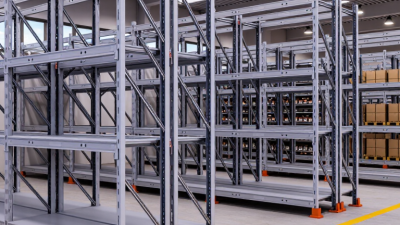
Choosing the best China Slotted Angle Racking System requires more than comparing prices. A warehouse may look organized, yet still waste vertical space, restrict picking, or create unstable loads. The right system must match product weight, carton size, aisle width, floor condition, and future expansion plans. Dr. Edward Frazelle, a recognized warehouse logistics expert, states, “The best storage system supports the operation, rather than merely filling the building.” This principle is useful when evaluating Chinese manufacturers. A reliable Slotted Angle Racking System should offer accurately punched angles, strong steel shelves, consistent hole spacing, and practical adjustment. Inspectors should also review load ratings, surface treatment, packaging quality, and installation instructions. Small details matter. A poorly finished slot can complicate assembly. An underestimated shelf load can create serious operational risks. This article will examine the features that separate a dependable system from an attractive but unsuitable option. It will compare material quality, modular design, accessibility, customization, supplier experience, and after-sales support. Factory photographs are helpful, but they are not enough. Request test data, production samples, and clear technical drawings. Confirm whether stated capacities reflect evenly distributed loads. That point is often overlooked. There is no universal “best” rack. A lightweight archive room needs a different solution from a busy parts warehouse. Even experienced buyers can misjudge aisle clearance or future inventory growth. This guide therefore takes a practical view, including common weaknesses and decisions that may require reconsideration. The goal is not to promote one supplier, but to identify a safe, adaptable, and cost-effective Slotted Angle Racking System for real working conditions.
Read more »
Amelia By:Amelia - October 19, 2026
7 Tips for Buying a Drive In Pallet Racking System

7 Tips for Buying a Drive In Pallet Racking System

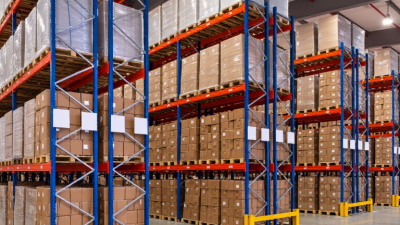
Buying a Drive-In Pallet Racking System is not simply a matter of choosing the tallest frame. It is a decision about product flow, pallet consistency, forklift movement, and future warehouse pressure. Dr. James A. Tompkins, a respected warehouse design authority, stated, “The key to warehouse design is to understand the product flow.” That principle matters here. Drive-in storage usually suits high-volume products with limited stock-keeping units and similar pallet dimensions. It can create impressive density, but density alone does not guarantee efficiency. This guide presents seven practical tips for selecting the right system. It examines load capacity, rack depth, pallet quality, forklift compatibility, entry layout, safety clearances, and supplier support. Measure the real operation. Do not trust assumptions. A chilled warehouse may need different materials than a dry storage area. A fast-moving product may also expose the limits of last-in, first-out access. That detail is easy to miss. Look closely at the rails, upright protection, guide systems, and loading discipline. A bent pallet can damage more than inventory. It can interrupt an entire lane. I have seen plans look excellent on paper, yet fail when operators need quick access during a busy shift. That is the uncomfortable lesson. The cheapest quote may become the costliest choice after repairs, delays, and lost space. Use site measurements, verified load data, and experienced installation advice before approving the design. A reliable Drive-In Pallet Racking System should support today’s workflow without creating tomorrow’s bottleneck.
Read more »
Amelia By:Amelia - October 19, 2026
Top Industrial Pallet Racking System for Global Buyers

Top Industrial Pallet Racking System for Global Buyers

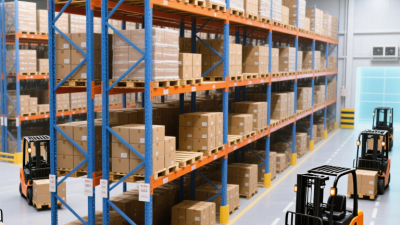
Industrial pallet racking systems shape how warehouses store, move, and protect goods across global supply chains. For buyers, the right Industrial Pallet Racking System must match product weight, pallet dimensions, aisle width, and handling equipment. It should also reflect local building conditions, fire protection requirements, and installation practices. A strong specification begins with real warehouse measurements, not a generic online image. Small details matter. Upright frames, beams, guards, anchors, and decking must work together under daily loading pressure. Experienced warehouse planners review load tables, pallet movement, impact risks, and future expansion before approving a design. They verify steel quality, coating performance, weld consistency, and traceable inspection records. Reliable suppliers explain their testing methods and provide clear documentation. Independent engineering review may be appropriate for high-bay, seismic, or heavily automated facilities. Still, no supplier can remove every operational risk. A catalog rating alone is not enough. Site teams need training, routine inspections, and a process for reporting damaged components. That reality is easy to overlook. Global buyers also compare lead times, replacement parts, communication quality, and after-sales support. A lower purchase price may become expensive when beams arrive late or installation guidance is unclear. Buyers should request drawings, sample calculations, warranty terms, and maintenance recommendations. They should question assumptions. The best solution balances capacity, safety, accessibility, and long-term value. It may not be the most dramatic option. It should be the one that performs predictably when the warehouse is busy, crowded, and changing.
Read more »
Elara By:Elara - October 19, 2026