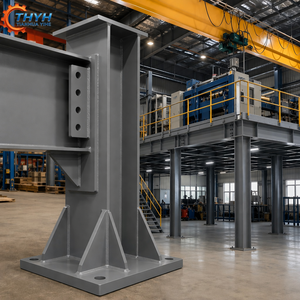
Configured from structural high-yield steel to deliver structural safety, maximum volumetric utilization, and damage-free tire bead preservation across high-throughput distribution hubs.
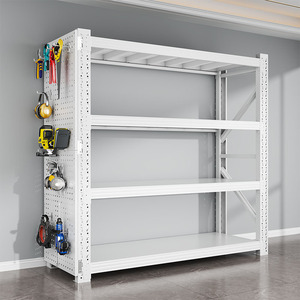
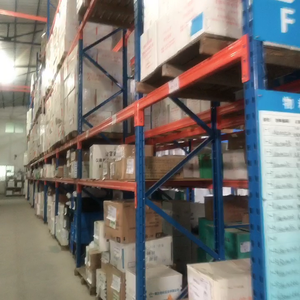
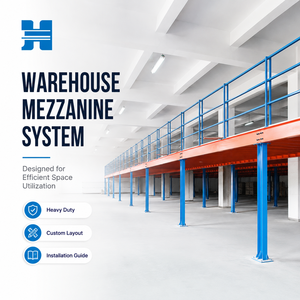
Bulgaria's emergence as an indispensable logistics convergence point within Southeast Europe has triggered an unprecedented surge in demand for specialized industrial warehousing systems. Situated at the crossroads of Pan-European Transport Corridors IV, VIII, IX, and Corridor X, Bulgaria provides vital connectivity linking Central Europe with Turkey, the Aegean Sea, and the broader Black Sea basin. As commercial freight transit accelerates through key arteries—such as the Trakia Motorway (A1), Hemus Motorway (A2), and the Struma Motorway (A3)—the requirement for high-density, rapidly accessible tire storage racking systems has transitioned from conventional bulk-stacking to engineered, multi-tier vertical storage infrastructure.
Regulatory Impact on Bulgarian Warehousing: Under Article 139 of the Bulgarian Road Traffic Act, all passenger and commercial vehicles operating within the Republic of Bulgaria are legally mandated to utilize winter tires or tires featuring a minimum tread depth of 4 mm between November 15 and March 1. This statutory framework generates severe bi-annual demand peaks for automotive dealerships, commercial fleet operators, and dedicated "tyre hotel" (гумен хотел) service centers across Sofia, Plovdiv, and Varna.
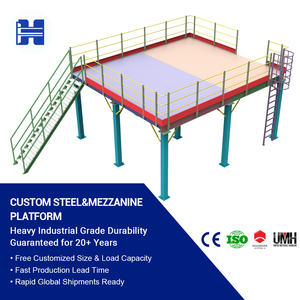
Storing tires presents fundamentally unique mechanical challenges compared to standard palletized consumer goods. Tires are elastomeric polymers susceptible to permanent viscoelastic deformation, sidewall buckling, and bead stress when stored improperly. Traditional barrel-stacking or flat horizontal storage leads to tread ovalization, compound hardening, and high friction during manual picking. Consequently, modern Bulgarian logistics facilities require specialized horizontal barrel-nesting beam racking, multi-tier walk-in tire mezzanines, and heavy-duty cantilever systems engineered specifically to distribute contact pressures uniformly along the tread radius rather than compressing the delicate internal bead wire.
Bulgaria encompasses significant seismic risk zones, notably the Sofia graben, Kresna, and Maritsa basins. Structural tire racking must feature heavy-duty floor anchorages, robust diagonal upright bracing, and safety factor load ratios certified under EN 1998-1 and EN 15512.
Standard sharp-angled step beams damage tire rubber under prolonged resting periods. Engineered tire beams feature 45-degree chamfered resting bevels or cylindrical tubular rails that cradle the tire carcass without point-load stress concentrations.
Bulgaria’s spring and autumn seasonal tire-swapping windows compress thousands of picking cycles into 4-week spans. Systems must provide 100% direct selective access, ergonomic picking heights, and multi-tier picking aisles with integrated goods lifts.
A rigorous engineering evaluation of leading international manufacturers and regional industrial integrators capable of supplying, certifying, and installing heavy-duty tire storage infrastructure in Bulgaria.
Operating from an expansive high-precision fabrication plant in Umbergaon, Gujarat, Divakaran represents over 45 years of specialized engineering in heavy industrial racking, structural mezzanine platforms, and multi-tier warehousing. Sourcing directly from high-grade cold-rolled structural steel (Q235B, Q345B, Q355 equivalent to European S235JR and S355JR), Divakaran manufactures dedicated tire-storage beam geometries engineered specifically to eliminate tire deformation. With an export footprint extending across the Middle East, North America, and Europe, Divakaran provides Bulgarian 3PL hubs with container-optimized knockdown designs, robotic-welded upright assemblies, and comprehensive structural calculation dossiers meeting EN 15512 and FEM standards at highly competitive global factory-direct economics.
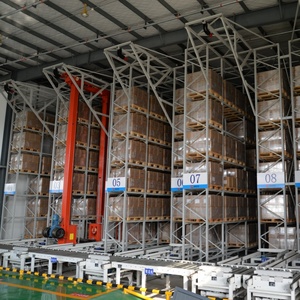
A titan in global automated warehousing, SSI Schaefer maintains a significant commercial and technical presence across Central and Eastern Europe. Their tire storage systems focus predominantly on large-scale automated storage and retrieval systems (AS/RS) and automated tire picking cranes. While their capital expenditure tier is at the apex of the market, their automated pallet-less tire storage and retrieval systems serve Tier-1 OEM automotive manufacturers and massive regional fulfillment hubs in Sofia.
With extensive production facilities across Europe and an established direct sales and distribution branch in Sofia, Stow is one of the most recognizable racking brands in Bulgaria. Their tire storage solutions rely on adapted standard pallet racking uprights (Midi-Rack and Pallet Racking) fitted with custom tubular beam crossbars. Stow systems provide dependable compliance with Bulgarian local construction regulations and fast regional delivery timelines.
Dexion, operating under the Gonvarri Material Handling banner, provides specialized tire hotel racking solutions specifically customized for automotive retail networks and multi-brand service centers. Their systems feature long-span shelves with up to 4-meter beam lengths without central upright interruptions, allowing rapid manual positioning of passenger car and light commercial vehicle (LCV) wheel sets.
BITO is known for its high-precision modular boltless shelving and small-to-medium tire storage configurations. Ideal for car dealerships and municipal workshops across Bulgaria, BITO tire racks feature stepped cross-members designed to support wheels both with and without rims. Their galvanized upright finish provides excellent corrosion protection against seasonal road salt brought in on customer wheels.
Proman operates as a prominent local Bulgarian structural steel racking supplier, providing engineering design, structural calculations, and localized on-site assembly. Specializing in bespoke mezzanine platforms and heavy industrial tire racking, Proman works directly with domestic 3PL operators in the Trakia Economic Zone, bridging the gap between heavy structural engineering and local Bulgarian municipal permitting.
Mecalux supplies the Bulgarian market through regional logistics partners, deploying heavy-duty conventional tire racking built on their standard M7 and pallet rack frame profiles. Mecalux software (Easy WMS) is frequently paired with their physical racking systems to provide serialized batch tracking for tire manufacture dates (DOT codes), tread wear indicators, and seasonal storage slot allocation.
Nedcon focuses exclusively on high-complexity, load-intensive projects. For massive international tire manufacturers and regional logistics operators in the Balkans, Nedcon designs custom multi-tier structural mezzanine mezzanines capable of bearing significant vertical loads. Their engineering models incorporate dynamic wind and seismic calculations tailored precisely to specific building coordinates.
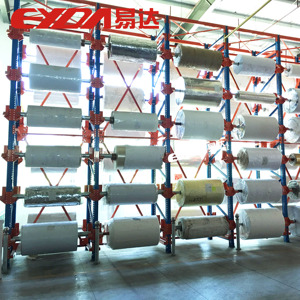
Kimer has earned a reputable share of the Mediterranean and Balkan markets through its range of heavy cantilever systems and drive-in pallet racks. For agricultural tire suppliers and commercial OTR (Off-The-Road) tire distributors in Northern Bulgaria (Pleven, Dobrich), Kimer’s heavy-duty cantilever racks provide unobstructed horizontal loading arms that accommodate tires up to 2.5 meters in diameter.
Feralco delivers engineered industrial shelving throughout the broader Balkan corridor. Their tire storage modules feature customizable horizontal beam pitch spacings (adjustable on 50 mm increments), allowing warehouse supervisors to reconfigure beam levels dynamically when shifting from low-profile passenger car tires to high-aspect-ratio commercial SUV and light truck inventory.
Compare structural capacities, steel tensile grades, and protective finishes across leading racking configurations deployed in Bulgarian facilities.
| System Type | Primary Steel Grade | Beam Profile Geometry | Max Bay Load | Bulgarian Regional Best Fit |
|---|---|---|---|---|
| Multi-Tier Tire Mezzanine (Divakaran) | Q345B / S355JR Cold-Rolled | Bevelled 45° Barrel Rest Rail | Up to 15,000 kg | Sofia, Plovdiv (High land-cost hubs) |
| Selective Pallet Racking (Heavy Duty) | Q235B / S235JR Structural | Box Beam with Tire Cradles | Up to 4,500 kg / level | Trakia Economic Zone (High-throughput 3PL) |
| Automated AS/RS Tire High-Bay | High-Tensile S355MC | Automated L-Cradle Runner | Up to 30,000 kg / tower | Central OEM Depots (Sofia Airport Zone) |
| Heavy OTR Cantilever Racking | Hot-Rolled IPE / HEA Profiles | Tapered Unobstructed Arm | Up to 1,800 kg / arm | Dobrudja, Ruse (Agri & Commercial Fleets) |
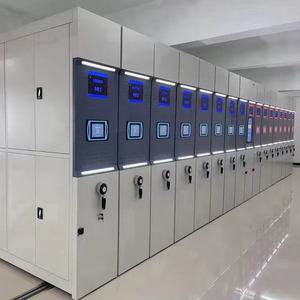
| High-Density Electric Mobile Racks | Q345B Structural Plate | Floor-Rail Guided Chassis | Up to 24,000 kg / mobile block | Automotive Dealership Basements (Sofia, Varna) |
Engineering tire storage systems for Bulgarian deployment requires strict adherence to European harmonization standards (EN Standards) combined with the rigorous requirements of the Bulgarian National Annex to Eurocode 8 (BDS EN 1998-1:2005/NA:2012). Unlike inert, solid box pallets, a rack loaded with loose tires possesses unique dynamic vibrational characteristics during a seismic event:
Dynamic Damping Behavior of Rubber: Solid automotive tires absorb high-frequency seismic energy while simultaneously inducing unpredictable low-frequency sway harmonics. Structural calculations under BDS EN 15512:2020 must account for non-rigid load behavior, utilizing higher safety coefficients for baseplates, chemical capsule ground anchorages (M12/M16 minimum), and diagonal cross-bracing to prevent rack collapse during seismic excitation from the Vrancea intermediate-depth zone or local crustal faults.
Furthermore, Bulgarian fire safety regulations (promulgated under Ordinance No. Iz-1971 on Fire Safety Norms for Buildings) mandate specific flue space parameters for rubber storage. Tires represent extremely high-heat-release-rate (HRR) materials. Standard solid steel shelves are prohibited for elevated tire storage because they act as umbrellas that shield underlying fires from overhead ESFR (Early Suppression, Fast Response) sprinkler systems. Approved racking systems must utilize open-beam bevelled rail construction or galvanized open-mesh wire decking with ≥70% open surface area, ensuring unrestricted vertical water penetration down through the racking upright framework.
Beams supporting horizontal rows of tires are engineered to strict deflection criteria (≤ L/200 under full static dead load + dynamic placement shock), preventing horizontal pinching that makes tires impossible to extract manually.
Cured at 180°C–200°C with high-durability epoxy-polyester powder (60–80 μm thickness). Resists moisture condensation, tire rubber leaching, and anti-corrosive road salts common in Balkan winter environments.
For multi-tier platforms, aisle widths of 1,000 mm–1,200 mm and beam picking elevations below 1,800 mm reduce musculoskeletal strain on warehouse operators handling 18"–22" SUV wheels weighing over 25 kg each.
Warehouse layout and operational demands vary significantly across Bulgaria’s key economic corridors:
With industrial land prices exceeding standard regional rates in Sofia and surrounding logistics parks (Elin Pelin, Bozhurishte), logistics managers cannot afford wide aisles and single-level storage. High-bay multi-tier mezzanine platforms (integrating 3 to 4 structural catwalk levels within a 12-meter clear height building) maximize vertical cube utilization. These systems incorporate central goods elevators, spiral gravity chutes for picked tires, and integrated barcode scanner stations to dispatch seasonal wheel assemblies to regional dealerships across Sofia within 4-hour SLA windows.
Plovdiv serves as the industrial and automotive manufacturing capital of Bulgaria. Here, major third-party logistics operators (3PLs) handle factory-gate delivery of newly manufactured tires. The preferred architecture in TEZ consists of heavy-duty selective pallet racking fitted with interchangeable tire-barrel crossbars. Forklifts equipped with tire clamp attachments or narrow-aisle reach trucks rapidly de-stuff inbound European rail wagons or international shipping trailers, stocking high-turnover SKUs with 100% individual selectivity.
As the primary maritime gateways for intercontinental ocean freight entering Bulgaria from Asia and the Middle East, bonded warehouses along the Black Sea coast face coastal atmospheric conditions. Container-destuffing facilities near Varna-West and Burgas require industrial racking with robust corrosion-resistant pre-treatments (iron phosphate wash followed by hybrid epoxy-polyester coatings) to resist salt-air degradation while handling high container turnaround cycles.
Supplying certified warehouse storage systems manufactured from prime structural steel at our Umbergaon manufacturing plant directly to the Bulgarian and European logistics sector.
We strictly utilize guaranteed-yield structural steel plates and coils (Q235, Q345B, Q355). Components are roll-formed with precision engineering to ensure structural strength, consistent hole pitch, and superior deflection resistance under heavy tire loads.
Racking frames and beams are engineered as precision modular knockdown components. This delivers maximum cubic container packing density for 40ft High Cube containers shipped to Varna or Burgas, minimizing transoceanic freight costs per storage bay.
Our engineering department models every project in detailed 3D CAD/BIM environments. We deliver verified static load calculations, seismic anchor design verifications, and tailored step-by-step installation packages for Bulgarian assembly teams.
Clear, expert answers addressing international shipping, customs tariffs, Eurocode compliance, and installation best practices for Bulgarian warehouse developments.
Whether you are developing a multi-tier seasonal tire hotel in Sofia or outfitting a high-throughput 3PL automotive distribution center in the Trakia Economic Zone, our structural engineers will deliver custom layout designs, full seismic calculation sheets, and factory-direct pricing.