What constitutes a "High Load Capacity" slotted angle rack versus standard utility shelving?
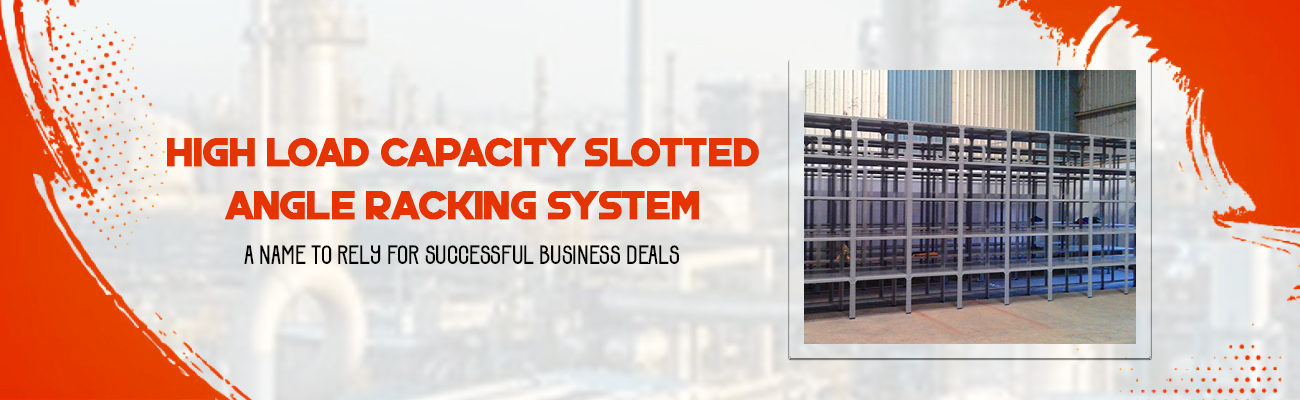
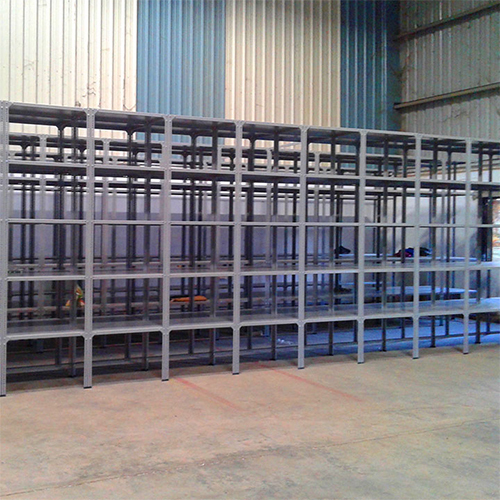
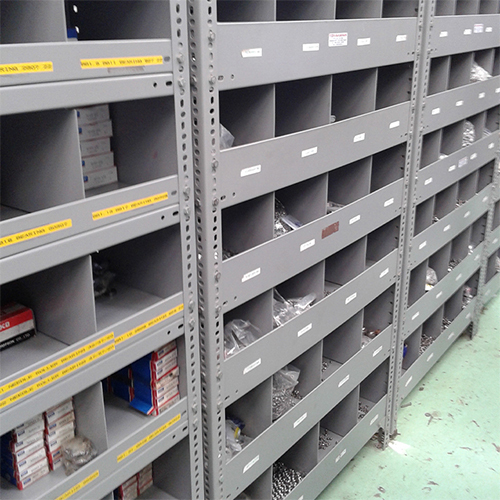
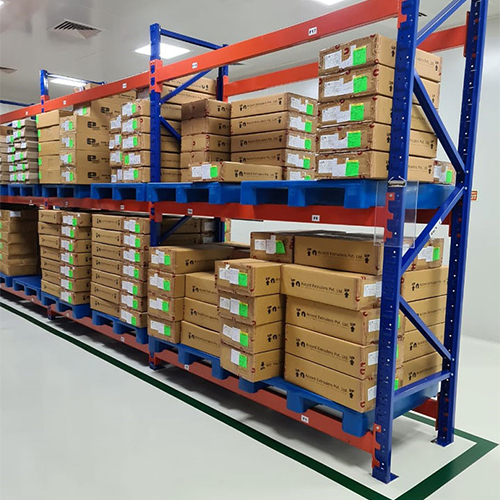
Standard retail or utility shelving typically carries 50 kg to 100 kg per shelf using 14-gauge (approx. 2.0 mm) angles. In contrast, High Load Capacity Slotted Angle Racks manufactured by Divakaran utilize heavy cold-rolled structural steel profiles (up to 2.5 mm – 3.2 mm wall thickness), integrated structural stiffener ribs welded underneath the steel decking, and double-corner gusset plates. This engineered setup yields certified uniformly distributed loads (UDL) between 250 kg and upwards of 550 kg per tier without exceeding the L/200 deflection tolerance limit.
How do you prevent shelf deflection and structural racking under heavy dynamic loads?
Deflection and frame distortion are eliminated through three synchronized engineering safeguards: continuous longitudinal hat-channel stiffeners welded under each steel panel, high-tensile grade 8.8 corner fasteners paired with heavy-gauge corner gusset plates to prevent parallelogram distortion, and precision cold-punched slot geometry that guarantees full bolt contact without ovalization play. Furthermore, base footplates anchor securely into the concrete floor slab to provide immovable footing.
How are slotted angle racks packaged for ocean freight containerization?
Every racking project shipped to regions like Bahrain, Sri Lanka, Canada, and the Middle East is delivered in dense Completely Knocked Down (CKD) format. Upright angles are nested and steel-strapped into dense bundles, steel deck panels are interlocked and protected with waterproof vapor-barrier wraps on heavy-duty wooden skids, and fasteners with gussets are palletized in labeled crates. This packaging method eliminates empty freight volume and prevents scratches, abrasions, and bending in transit.
Can slotted angle systems integrate into two-tier or multi-tier mezzanine floors?
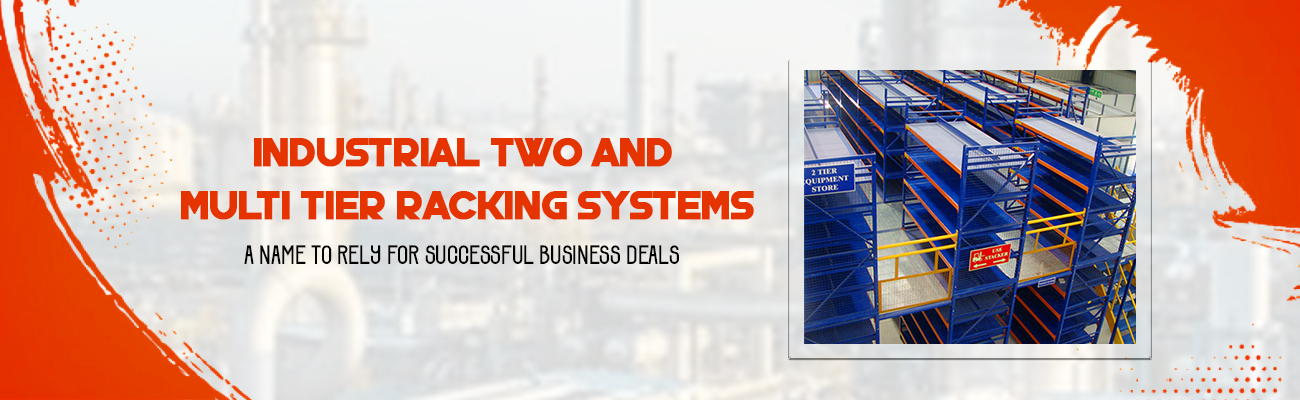
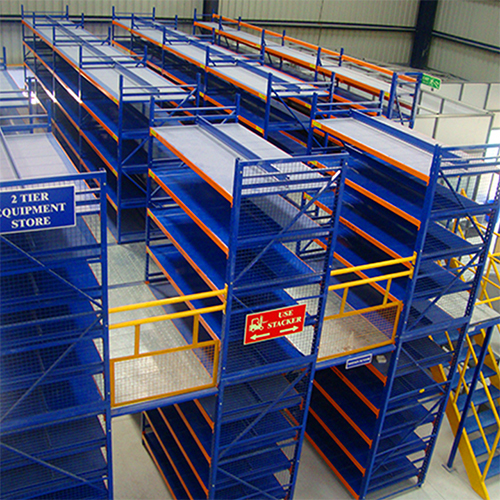
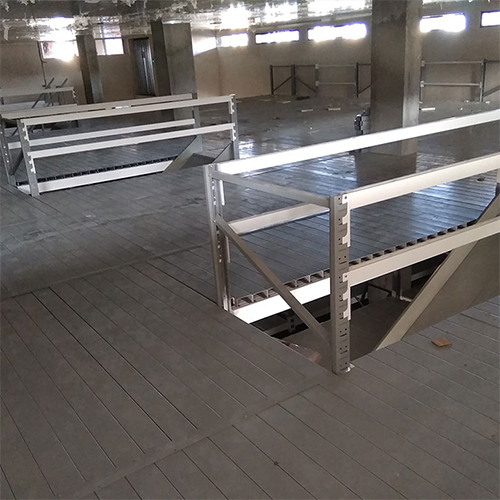
Yes. Our slotted angle profiles possess sufficient column strength to act as primary vertical uprights for two-tier and multi-tier installations. We integrate intermediate beam support brackets, catwalk decking (steel grating or checker plate), safety handrails, kick plates, and access staircases without altering modularity. This allows factories to dramatically multiply usable footprint without expensive civil expansions.
What surface protection is applied for corrosive or humid operating environments?
All steel sections undergo an automated multi-stage chemical pretreatment cycle including degreasing, zinc-phosphating, and deionized water rinsing, followed by electrostatic thermoset epoxy-polyester powder coating cured at 180°C–200°C. For extreme humidity, pre-galvanized or hot-dip galvanized finishes are available to ensure decades of corrosion resistance even in coastal marine atmospheres.
What specific details are needed to generate an engineered quotation and layout?
To prepare an accurate engineering drawing and quotation, please share: overall room dimensions (length, width, clear height under trusses/ducts), target load weight per shelf level, number of shelf tiers required per bay, preferred shelf depths (e.g., 300 mm, 450 mm, 600 mm, 900 mm), and floor slab specifications. Our engineering desk will deliver an optimized layout drawing and comprehensive cost proposal within 24 to 48 hours.