China Best Pipe Cantilever Racks Supplier & Exporters
Precision-Engineered Heavy Duty Storage Solutions for Tubing, Bar Stock, Extrusions, and Bulky Industrial Materials | Certified FEM & RMI Standard Load Profiles
45+
Years Industrial Lineage (Since 1977)
5,000+
Metric Tons/Month Output
80+
Export Destinations Worldwide
100%
Custom Q235B/Q355B Steel Quality
Structural Systems Matrix
Engineered Long-Span & Heavy Load Product Solutions
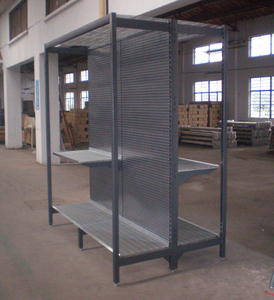
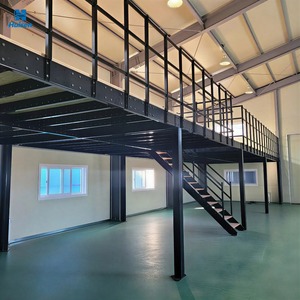
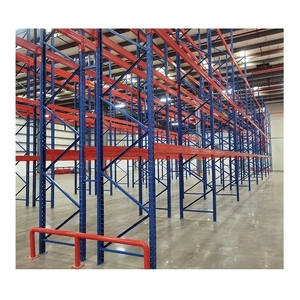
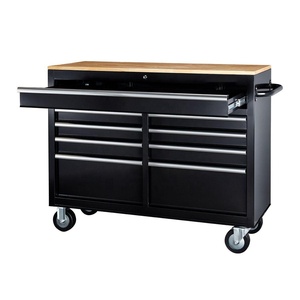
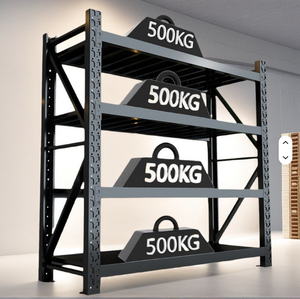
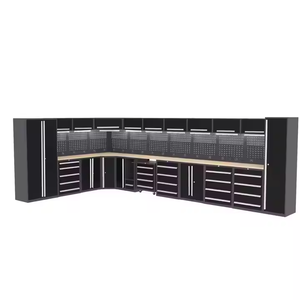
Comprehensive portfolio of modular cantilever systems, pallet structures, tool workbenches, and vertical platform frameworks developed for industrial logistics.
A comprehensive analysis of structural load distribution, deflection variables, and anti-roll design in modern high-density steel yards.
Cantilever racking constitutes the critical backbone of structural steel distribution, energy tube yards, piping fabrication facilities, and extruded aluminum warehousing. Storing long, cylindrical, or non-uniform materials presents unique physical challenges. Unlike standard palletized inventory, industrial pipes exert radial line-contact stress and dynamic lateral forces against racking uprights and cantilever arms. Sourcing from premier China suppliers ensures structural steel optimization complying with global safety mandates, including ANSI MH16.1, RMI standards, and EN 15620 / FEM 10.2.02 regulations.
Our pipe cantilever systems deploy either roll-formed high-strength sections or heavy hot-rolled structural steel (H-Beams / I-Beams). In heavy-duty pipe warehousing, hot-rolled structural cantilever profiles are unequivocally recommended over thin roll-formed alternatives. When handling heavy alloy pipes, ductile iron casings, or drilling rods, accidental forklift impacts can lead to sudden structural fatigue in lighter metals. Hot-rolled profiles provide higher torsional resistance, extended resilience against micro-cracking, and superior performance under extreme cycle frequencies.
A vital mechanical consideration in pipe cantilever storage is the integration of removable end-stoppers and pipe retaining saddles. Without secure retention barriers, dynamic shifts during forklift extraction can trigger uncontrolled roll-offs. Our factory fabricates bolt-on and drop-in pipe stops engineered to resist substantial horizontal breakout forces, safeguarding personnel and mobile equipment in busy warehousing channels.
Key technological, regulatory, and supply chain shifts reshaping capital equipment investments in pipe storage infrastructure.
1. Shift toward AS/RS Integration
Traditional manual forklift pipe handling is transitioning to Automated Storage and Retrieval Systems (AS/RS). Automated stacker cranes and telescopic pipe-handling shuttles demand tighter manufacturing tolerances (±1.0mm upright deviation). Future-ready cantilever systems require precision CNC drilling and robotic welding fixtures to support sensor-guided automated pipe retrieval.
2. Corrosion Lifecycle Economics
Global procurement teams prioritize Hot-Dip Galvanization (HDG) over standard industrial spray paints. Driven by expansions in coastal ports, offshore fabrication, and harsh chemical logistics, HDG cantilever racks eliminate recurring on-site repainting costs and deliver rust-free performance exceeding 25 years under high-salinity conditions.
3. Modular Modularization & Knock-Down Shipping
Surging international container logistics costs make freight density a core sourcing factor. Advanced manufacturers engineer fully modular, bolt-together base, arm, and upright assemblies. This structural modularity minimizes dead air volume inside 40ft High Cube containers, significantly cutting landed shipping costs for global distributors.
Manufacturing Excellence
Enterprise Advantages: Decades of Rigorous Manufacturing Lineage
Every cantilever column and load arm utilizes structural steel from premier mills with fully traceable 3.1 Mill Test Certificates (MTC). Thickness, flange tolerances, and yield metrics are calibrated to guarantee fail-safe operation under demanding loading environments.
Automated Production Integrity
Our facilities employ multi-spindle CNC beam drill lines, precision laser cutting heads, and robotic GMAW welding stations. Automated hole pitch precision eliminates installation misalignments and guarantees smooth arm-adjustment across all column faces.
Global Export Footprint
With ongoing deployments across North America, the Middle East, Bahrain, Sri Lanka, and Southeast Asia, we maintain strict knock-down shipping packaging standards with timber protection, tension strapping, and container anti-humidity stabilization.
Procurement Clarity
Frequently Asked Questions on Cantilever Pipe Racks
Essential guidance on load calculations, seismic configurations, and international export logistics.
How do you prevent pipe roll-off and lateral shifting on cantilever arms?
Pipe safety requires two design features: positive backward arm rake and engineered mechanical retention stops. Our arms are fabricated with an upward incline angle of 2° to 4° to counteract gravity under heavy loads. Additionally, we integrate drop-in or bolted vertical stop pins (ranging from 100mm to 300mm high) at arm tips, alongside modular curved saddles for individual large-diameter pipe placement.
What engineering data is required to generate a custom cantilever layout?
To provide precise FEM-compliant calculations, our structural engineers evaluate: (1) Pipe length range, outside diameter (OD), and wall thickness; (2) Maximum weight per bundle or per pipe; (3) Clear height under warehouse eaves; (4) Forklift specifications, including mast type, lift height, and minimum aisle turning radius; and (5) Concrete slab thickness, compressive strength (psi/MPa), and local seismic hazard coefficients.
What is the difference between single-sided and double-sided cantilever systems?
Single-sided cantilever systems feature arms projecting from only one side of the vertical column and are installed directly against building walls. Double-sided columns carry cantilever arms on both front and rear faces, creating standalone central rows. Double-sided layouts provide superior mechanical balance, as opposing load arms distribute structural overturning moments across the shared central base assembly.
How are oversized cantilever components packed for international sea containers?
Upright columns, cross-brace sets, and cantilever arms are pre-bundled using high-tensile steel strapping, corner protectors, and heavy timber dunnage to avoid transit abrasion. Loose fasteners, pins, and connection hardware are packed in export-grade wooden crates. Structural packages are dimensioned to optimize weight limits in 20GP, 40GP, or 40HQ containers without exceeding port handling capacities.
Can standard cantilever systems be retrofitted for automated AS/RS operation?
Upgrading manual cantilever racks to automated operations requires structural reinforcement. AS/RS applications involve higher horizontal cycling speeds and automated extractor tolerances, necessitating tighter deflection thresholds (typically L/400 or stiffer). If automation is planned for future phases, we engineer columns with heavier web thicknesses and pre-drilled brackets to accommodate shuttle guidance tracks.
Looking to Engineer an Efficient Pipe Storage Facility?
Connect directly with our engineering desk. Receive custom CAD layouts, capacity calculations, and factory-direct pricing tailored to your application.